Scaling Your 1099 Workforce: Why Independent Contractor Onboarding Software Is Essential
Published on July 1, 2024, updated on July 15, 2026
Business growth creates new opportunities, but it also places greater pressure on the systems used to manage an independent workforce. As companies expand into new markets, add clients, or engage more independent contractors, processes built around spreadsheets, emails, and shared folders can quickly become difficult to manage.
Independent contractor onboarding software gives businesses a more scalable foundation. By automating routine tasks, standardizing workflows, and improving visibility, companies can increase workforce capacity without creating the same level of administrative burden.
Why Independent Contractor Onboarding Gets Harder at Scale
A small independent contractor program may be manageable through manual processes. Team members often know which documents are required, who needs to approve each step, and which independent contractors are ready to work. As volume increases, that informal knowledge becomes harder to maintain, making it easier for required steps to be missed or applied inconsistently.
Different clients, locations, and services may require different agreements, insurance documents, qualifications, screening steps, or classification-related processes. Without a centralized system, records can become fragmented, requirements may be handled differently across teams, and businesses may have limited visibility into whether independent contractors completed every necessary step before beginning work. These gaps can create operational delays, audit challenges, and greater compliance risk.
Manual Processes Limit Workforce Growth
Manual onboarding requires teams to send reminders, review documents, update spreadsheets, and answer individual status questions. These tasks increase with every independent contractor added to the workforce, while the risk of missed documents, expired records, or incomplete approvals also grows.
Eventually, growth requires more administrative staff simply to keep the process moving. Independent contractor onboarding software helps businesses manage greater volume by automating repeatable tasks, flagging missing information, and allowing teams to focus on exceptions that require closer review.
Inconsistent Workflows Create Operational and Compliance Gaps
When teams or locations develop their own onboarding processes, businesses may struggle to apply requirements consistently. One group may complete every step before activation, while another may follow up after the independent contractor begins working, increasing the risk of incomplete documentation or inconsistent practices.
Centralized workflows help establish a more consistent process while still allowing businesses to adjust requirements based on the client, role, location, or services being performed. This can help reduce gaps in recordkeeping, improve audit readiness, and support more consistent compliance processes as the independent workforce grows.
How to Create a Better Independent Contractor Onboarding Experience
Independent contractors often have multiple work opportunities, so the onboarding experience can influence whether they complete the process or move on. A confusing, repetitive, or time-consuming experience can increase abandonment, delay workforce activation, and make it harder for businesses to collect the information needed before work begins.
A strong onboarding experience should be fast, simple, visible, and compliance-focused. Independent contractors should understand what is required, why it is required, where they are in the process, and what remains before they can begin work. Mobile-friendly workflows, electronic documents, progress indicators, and automated reminders can reduce friction while helping businesses complete agreements, collect required documentation, confirm qualifications, and retain records consistently.
Reduce Delays Without Skipping Compliance Requirements
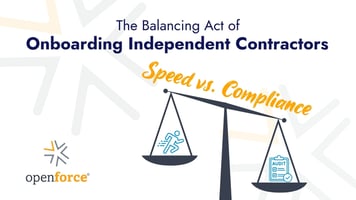
Faster onboarding should come from removing unnecessary waiting, duplicate data entry, and manual handoffs, not from bypassing agreements, insurance requirements, tax documentation, screening steps, or internal approvals. Conditional workflows can present requirements based on the independent contractor’s role, client, location, or services, while automated checks can flag missing information before onboarding is completed.
These capabilities help businesses move independent contractors through the process efficiently while supporting more consistent compliance practices. They can also reduce the risk of an independent contractor beginning work with incomplete documents, missing approvals, expired coverage, or unresolved onboarding requirements.
Improve Visibility Across Internal Teams
Independent contractor onboarding may involve operations, compliance, finance, insurance, recruiting, and support teams. When these groups use separate systems, teams may not have a complete view of what has been collected, reviewed, approved, or left outstanding.
A centralized platform gives authorized teams visibility into onboarding status, agreements, documentation, insurance records, qualifications, and pending compliance requirements. This shared view helps prevent important steps from being overlooked, reduces inconsistent practices across teams, and creates a clearer record of how each independent contractor moved through the onboarding process.
How Independent Contractor Onboarding Software Supports Growth
The value of independent contractor onboarding software extends beyond replacing paper forms. The right platform becomes part of the company’s operational infrastructure, helping teams respond more quickly to demand and scale into new markets.
Accelerate Independent Contractor Activation
Growing businesses often need to build workforce capacity quickly. A new client or market opportunity may require a large number of independent contractors to complete onboarding within a limited period.
Software can automate document requests, electronic signatures, status updates, and reminders. Administrators can see where each independent contractor is in the process and address problems without manually guiding every applicant through each step.
Ensure Compliance Controls
As businesses engage more independent contractors, compliance risk can increase with the size and complexity of the workforce. Higher onboarding volume creates more opportunities for incomplete documentation, inconsistent processes, insurance gaps, missed approvals, and classification concerns. If these issues are not addressed, they can contribute to audits, disputes, claims, or lawsuits.
Independent contractor onboarding software helps businesses apply approved requirements more consistently as volume grows. By creating a repeatable and documented onboarding process, businesses can scale more confidently while reducing compliance gaps and maintaining stronger records if an independent contractor relationship is challenged.
Improve Workforce Visibility
Companies cannot scale effectively when onboarding information is spread across inboxes and spreadsheets. Business leaders need to understand how many independent contractors are onboarding, where delays are occurring, and whether workforce capacity is keeping pace with demand.
Centralized dashboards can provide real-time insight into application status, missing documents, approval delays, and workforce readiness. This information helps teams identify bottlenecks and make more informed operational decisions.
What to Look for in Independent Contractor Onboarding Software
Businesses should evaluate whether a platform can support their current workforce as well as future growth. Important capabilities may include:
- Configurable workflows for different clients, roles, and markets
- Automated document collection and reminders
- Insurance and qualification workflows
- Built-in compliance controls that help mitigate worker misclassification risk
- Real-time onboarding status reporting
Companies should also consider whether the platform supports the full independent contractor lifecycle. Software that only manages initial onboarding may require the business to move information into another system once the independent contractor begins working.
Scale Independent Contractor Management With Openforce
Openforce helps contracting companies manage independent contractor onboarding, documentation, compliance workflows, insurance-related requirements, and payments through a centralized platform. Configurable workflows help businesses support different operating models while maintaining greater visibility and consistency across their independent workforce.
By replacing spreadsheets, emails, and disconnected systems, Openforce helps companies reduce administrative friction and build more scalable independent contractor management processes. Businesses can support growth while maintaining organized records, repeatable workflows, and compliance-focused operations.
What is independent contractor onboarding software?
Independent contractor onboarding software, like Openforce, is a platform that helps businesses collect agreements, tax information, payment details, insurance documents, and other required records. It can also automate reminders, approvals, and status tracking.
How does independent contractor onboarding software help businesses scale?
It reduces manual work by standardizing workflows and automating repeatable tasks. This allows businesses to onboard more independent contractors without adding the same level of administrative resources.
Can independent contractor onboarding software reduce onboarding time?
Yes. Automated document requests, electronic signatures, reminders, and status tracking can reduce delays caused by manual follow-up and disconnected processes.
Does independent contractor onboarding software help with compliance?
Software can support compliance by centralizing records, applying approved workflows consistently, and maintaining audit trails. It does not determine worker classification or replace legal advice.
What documents are commonly collected during independent contractor onboarding?
Documents may include agreements, Form W-9, payment information, identification, insurance records, licenses, background screening information, and client-specific qualifications.
Can onboarding software support different independent contractor requirements?
Yes. Configurable platforms can apply different workflows based on the independent contractor’s role, location, client, service type, or insurance requirements.
What is the difference between onboarding software and independent contractor management software?
Onboarding software primarily supports enrollment and activation. Independent contractor management software may also support ongoing documentation, compliance workflows, payments, insurance, and lifecycle management.